

• KSEBM
  • Contact us
  • E-Submission
ABOUT
BROWSE ARTICLES
EDITORIAL POLICY
FOR CONTRIBUTORS

Page Path

  • HOME
  • Browse articles
  • Most downloaded articles
12
results for

Most downloaded articles

Filter

Article category

Keywords

Publication year

Authors

Funded articles

Most downloaded articles

Most-download articles are from the articles published in 2024 during the last three month.
Reviews

Evidence-based practice and evidence-practice gap: status, challenges, and solutions
Soo Young Kim
J Evid-Based Pract 2025;1(1):1-6.   Published online March 31, 2025
DOI: https://doi.org/10.63528/jebp.2025.00001
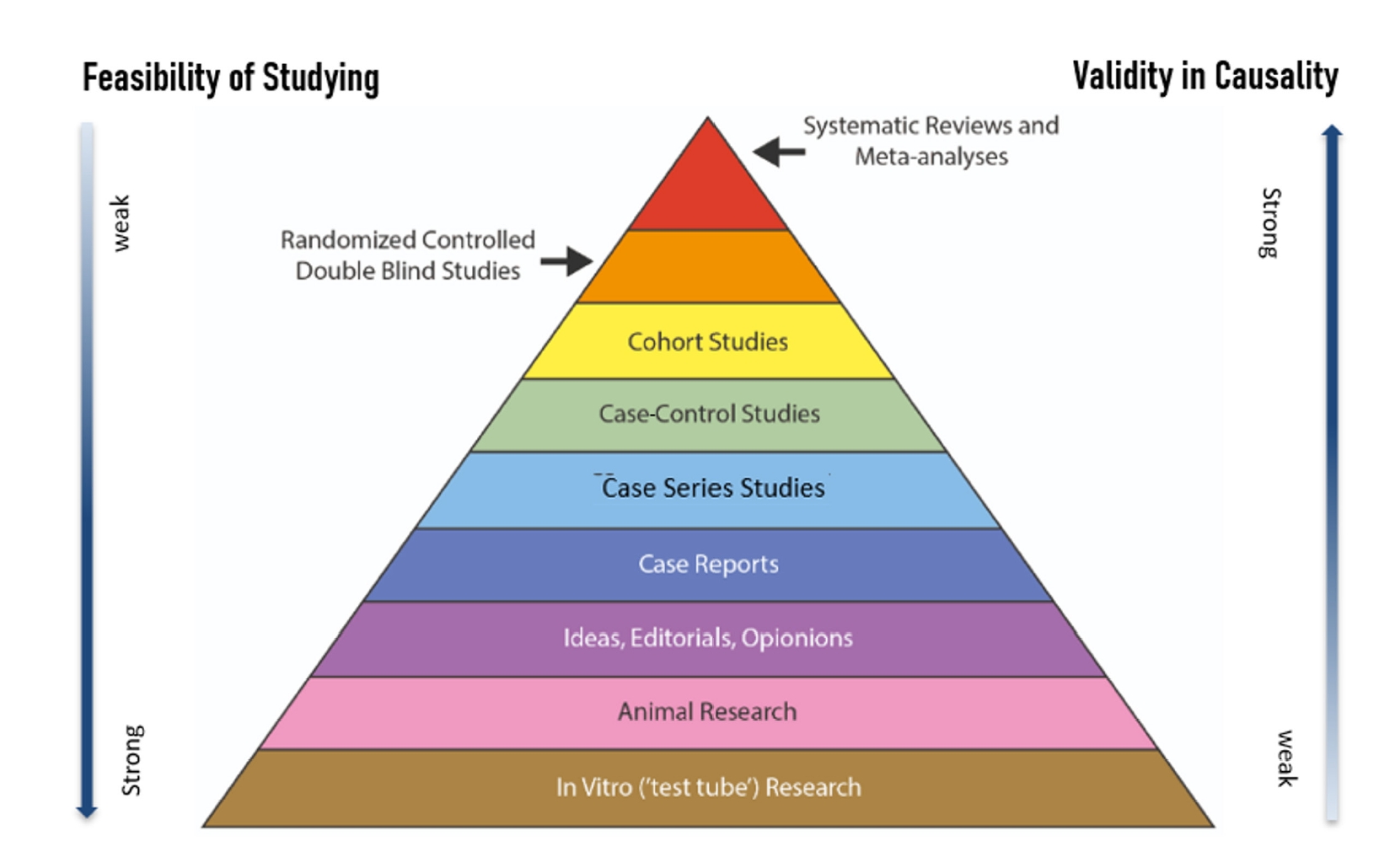
Evidence-Based Practice (EBP) is an approach that utilizes the best evidence for patient care, and its importance is growing in various fields to improve patient-centered care. However, the Evidence-Practice Gap (EPG) that occurs in the practical application of EBP remains a significant problem. EPG refers to the gap between research results and actual clinical practice, which can hinder the optimization of patient care and lead to inefficiencies in the healthcare system. This review introduces the concepts of EBP and EPG and examines educational approaches such as Sicilian statements and Core Competencies in Evidence-Based Practice. In addition, we discuss translational research, knowledge transfer, multidisciplinary collaboration, and evidence-based policymaking, which are key efforts to resolve EPG. In addition, we emphasize the importance of setting research directions using the Evidence Gap Map (EGM) along with national strategies to promote the spread of EBP. This paper discusses how strategic approaches and policy efforts to resolve the EPG can contribute to the actual clinical application of EBP, and suggests future research directions.
  • 4,024 View
  • 128 Download
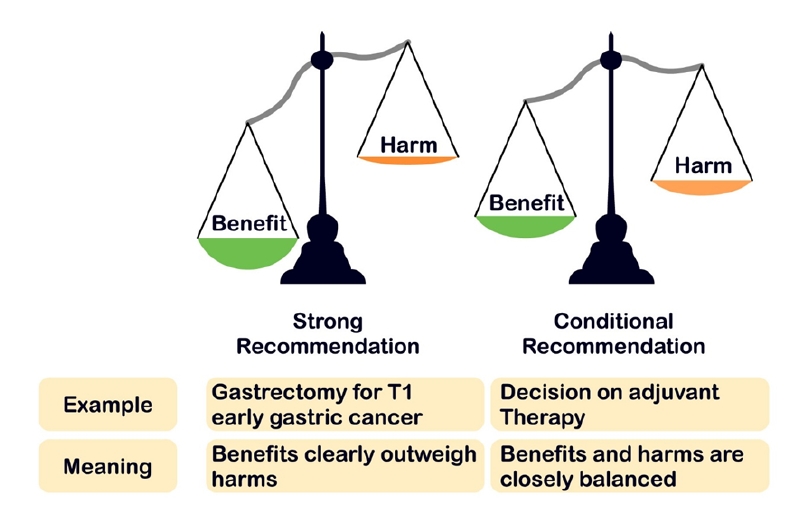
Patient values and preferences in guideline development
Su-Hyun Kim
J Evid-Based Pract 2026;2(1):8-15.   Published online March 30, 2026
DOI: https://doi.org/10.63528/jebp.2026.00001
Clinical practice guidelines (CPGs) are critical for translating research into clinical practice; however, high-quality evidence alone does not ensure optimal care. The integration of patient values and preferences is essential for developing recommendations that are both relevant and applicable, yet many guidelines continue to underrepresent patient perspectives and lack transparent incorporation of preference research. This review delineates the distinction between values and preferences, examines their influence on preference-sensitive decisions, and evaluates methods for eliciting patient input, such as utility-based measurements, discrete-choice experiments, and qualitative studies. Systematic integration of this evidence through guideline development enhances both credibility and patient-centeredness. Persistent challenges include issues of representativeness, methodological uncertainty, and cultural barriers. Implementing practical strategies to address these challenges will improve transparency, relevance, and acceptance of clinical practice guidelines.
  • 94 View
  • 2 Download
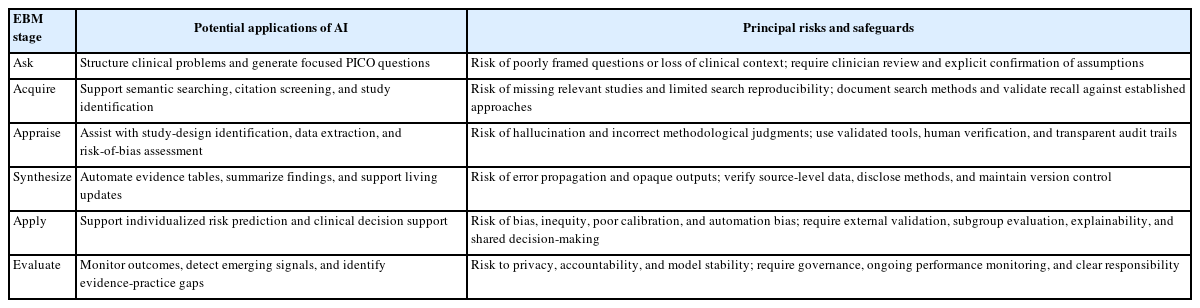
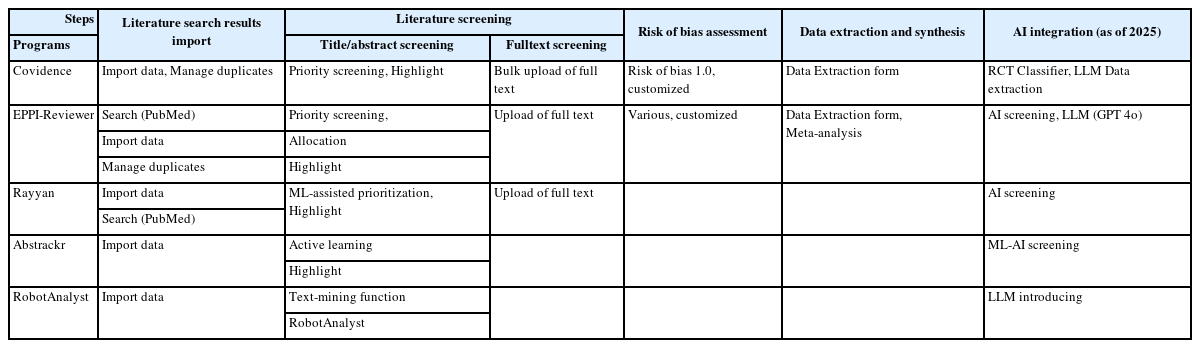
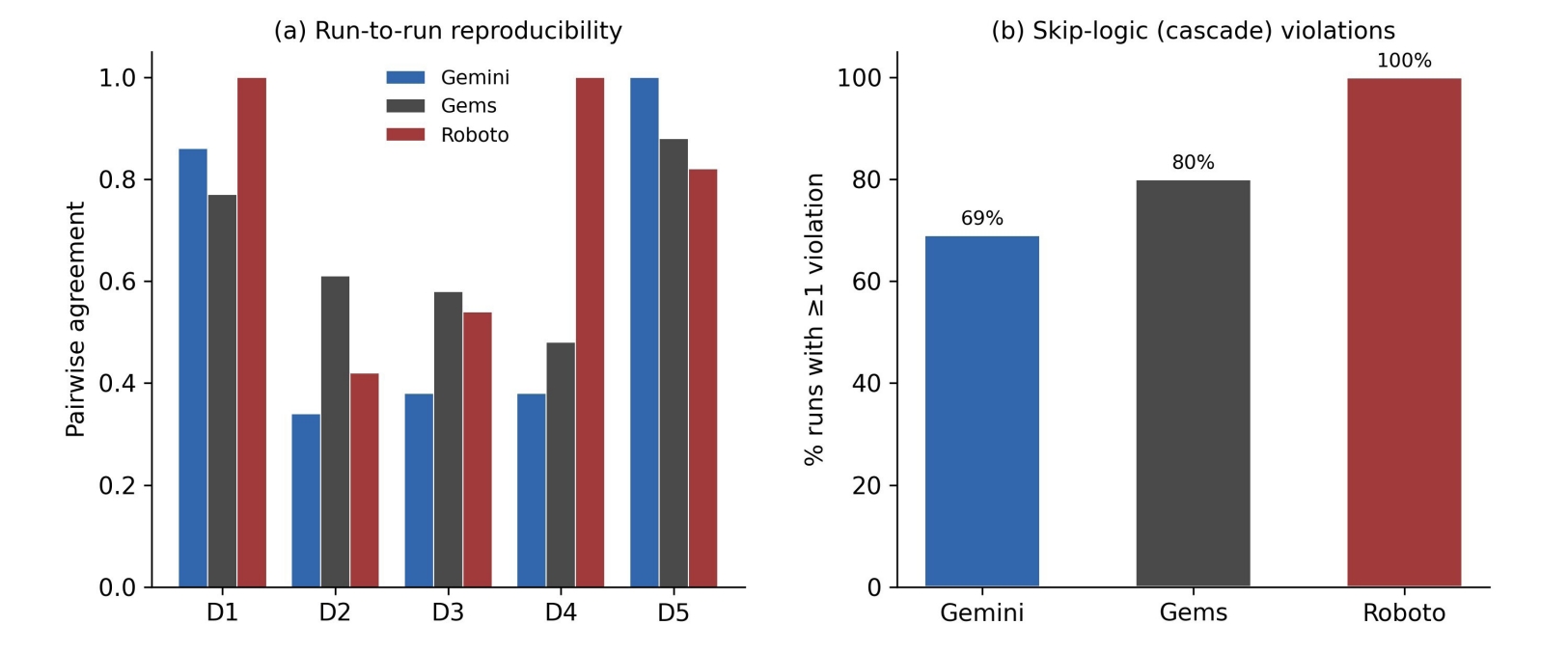
This review explores the current landscape of artificial intelligence (AI)-assisted semi-automation tools used in systematic reviews and guideline development. With the exponential growth of medical literature, these tools have emerged to improve efficiency and reduce the workload involved in evidence synthesis. Platforms such as Covidence, EPPI-Reviewer, DistillerSR, and Laser AI exemplify how machine learning and, more recently, large language models (LLMs) are being integrated into key stages of the systematic review process—ranging from literature screening to data extraction. Evidence suggests that these tools can save considerable time, with some achieving average reductions of over 180 hours per review. However, challenges remain in transparency, reproducibility, and validation of AI performance. In response, international initiatives such as the Responsible AI in Evidence Synthesis (RAISE) project and the Guideline International Network (GIN) have proposed frameworks to ensure the ethical, trustworthy, and effective use of AI in health research. These include principles like transparency, accountability, preplanning, and continuous evaluation. This review highlights both the opportunities and limitations of adopting AI in evidence synthesis and underscores the importance of human oversight and rigorous validation to ensure that such tools enhance, rather than compromise, the integrity of systematic reviews and guideline development.
  • 635 View
  • 26 Download
Calculating and extracting missing summary statistics for meta-analysis
Jieun Shin, Taeho Greg Rhee, Seong-Jang Kim, Sung Ryul Shim
J Evid-Based Pract 2026;2(1):1-7.   Published online March 30, 2026
DOI: https://doi.org/10.63528/jebp.2026.00002
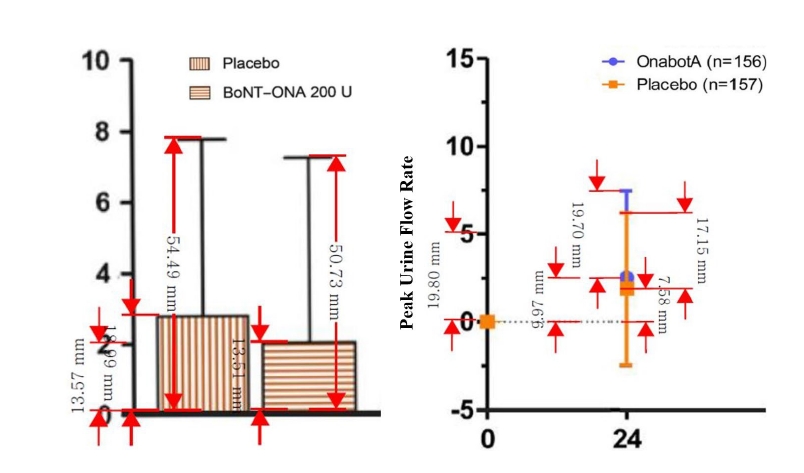
Systematic reviews and meta-analyses are pivotal for evidence-based decision-making but depend on the availability of precise statistical data. Researchers often encounter studies where essential statistics are missing or presented only in graphs, leading to potential data exclusion and selection bias. This study aims to provide specific methodologies for extracting or reconstructing the statistical parameters required for meta-analysis—specifically effect sizes (MD, OR, RR, HR) and their corresponding variance measures (SD, SE, variance)—from incomplete or graphically reported data. We describe calculation and extraction protocols for five specific scenarios encountered in medical literature: (1) continuous data missing standard deviations; (2) categorical data missing standard errors; (3) calculating risk estimates from frequency tables; (4) extracting continuous data presented solely in graphs; and (5) reconstructing hazard ratios from Kaplan-Meier survival curves. Valid meta-analysis requires both an effect size and a measure of variance. When these are not explicitly reported, they can often be derived from other available statistics or digital extraction from figures. While heterogeneity is inherent in meta-analysis, the methodology allows for error adjustment and robust synthesis. Therefore, preventing data loss via these extraction methods is preferable to excluding studies. Maximizing data inclusion enhances the comprehensive value and statistical power of the final analysis.
  • 144 View
  • 2 Download
Step-by-step guide to meta-analysis of clinical trials using RevMan web version
Hyun-Ju Seo
J Evid-Based Pract 2025;1(2):40-50.   Published online September 29, 2025
DOI: https://doi.org/10.63528/jebp.2025.00006
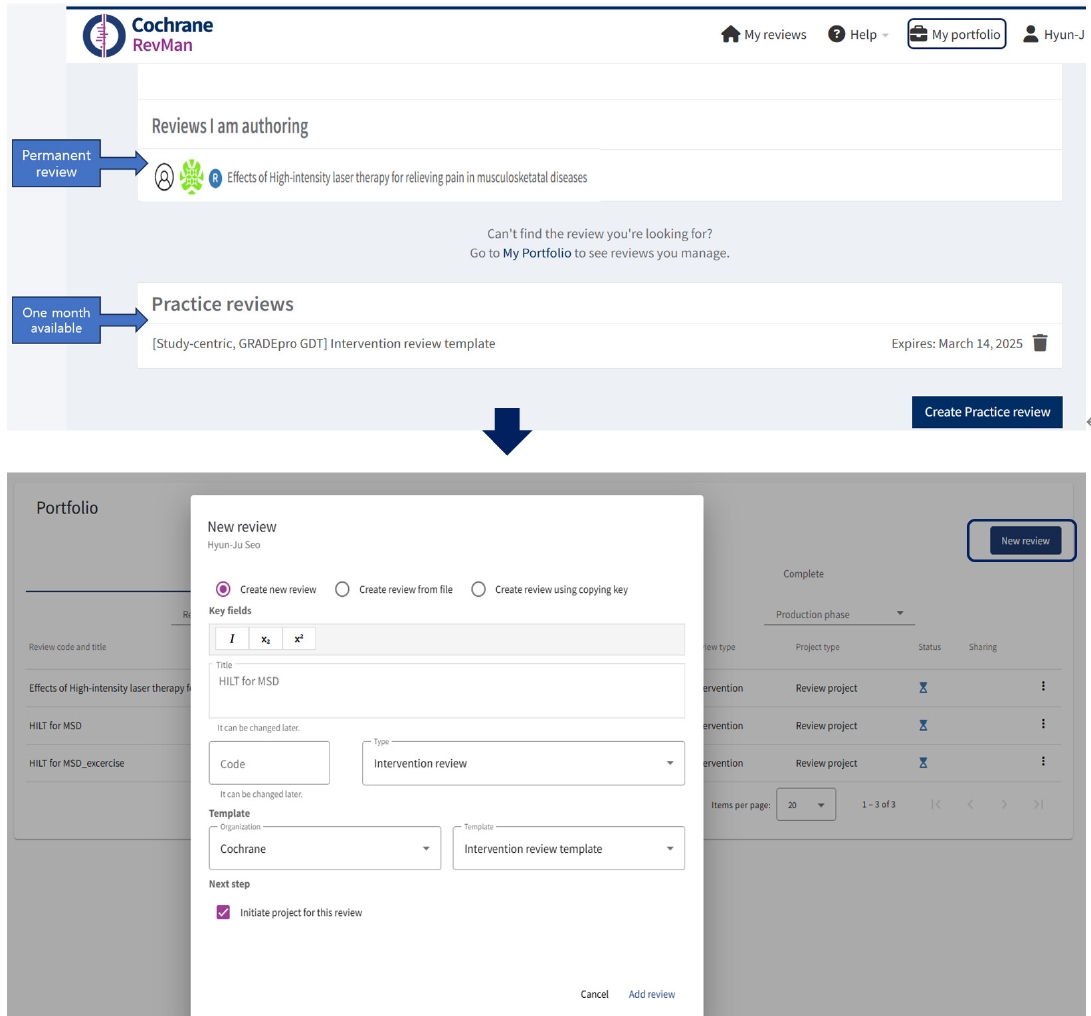
This paper focuses on basic meta-analyses using the updated RevMan Web version, based on the Cochrane Handbook of Systematic Reviews of Interventions for clinical trials. Theoretical statistical knowledge, such as the REML method for estimating heterogeneity variance in random-effects meta-analyses, the HKSJ method for reflecting the uncertainty of pooled estimates, and the prediction interval in a random-effects model for exploring true treatment effects in a future trial, is briefly described. Examples with synthetic data are presented to help with the understanding of meta-analysts.
  • 716 View
  • 23 Download

Original Article

Methodological bias and study design influence the reported link between Vitamin-D deficiency and postoperative hypocalcemia
Katherine Lopera,, Alvaro Sanabria
J Evid-Based Pract 2026;2(1):25-34.   Published online March 30, 2026
DOI: https://doi.org/10.63528/jebp.2026.00004
Background
Post-thyroidectomy hypocalcemia is the most frequent complication after total thyroidectomy. Preoperative vitamin D deficiency has been suggested as a potential risk factor, but inconsistencies exist in the literature, possibly related to methodological differences. To evaluate whether study design and risk of bias influence the association between preoperative vitamin D deficiency and postoperative hypocalcemia in patients undergoing total thyroidectomy.
Methods
This is a secondary analysis of a previously conducted systematic review. We included observational studies evaluating the association between preoperative vitamin D levels and postoperative hypocalcemia. Methodological quality was assessed using the QUIPS tool. Subgroup analyses were performed based on study design (prospective vs. retrospective) and overall risk of bias (high vs. low/moderate).
Results
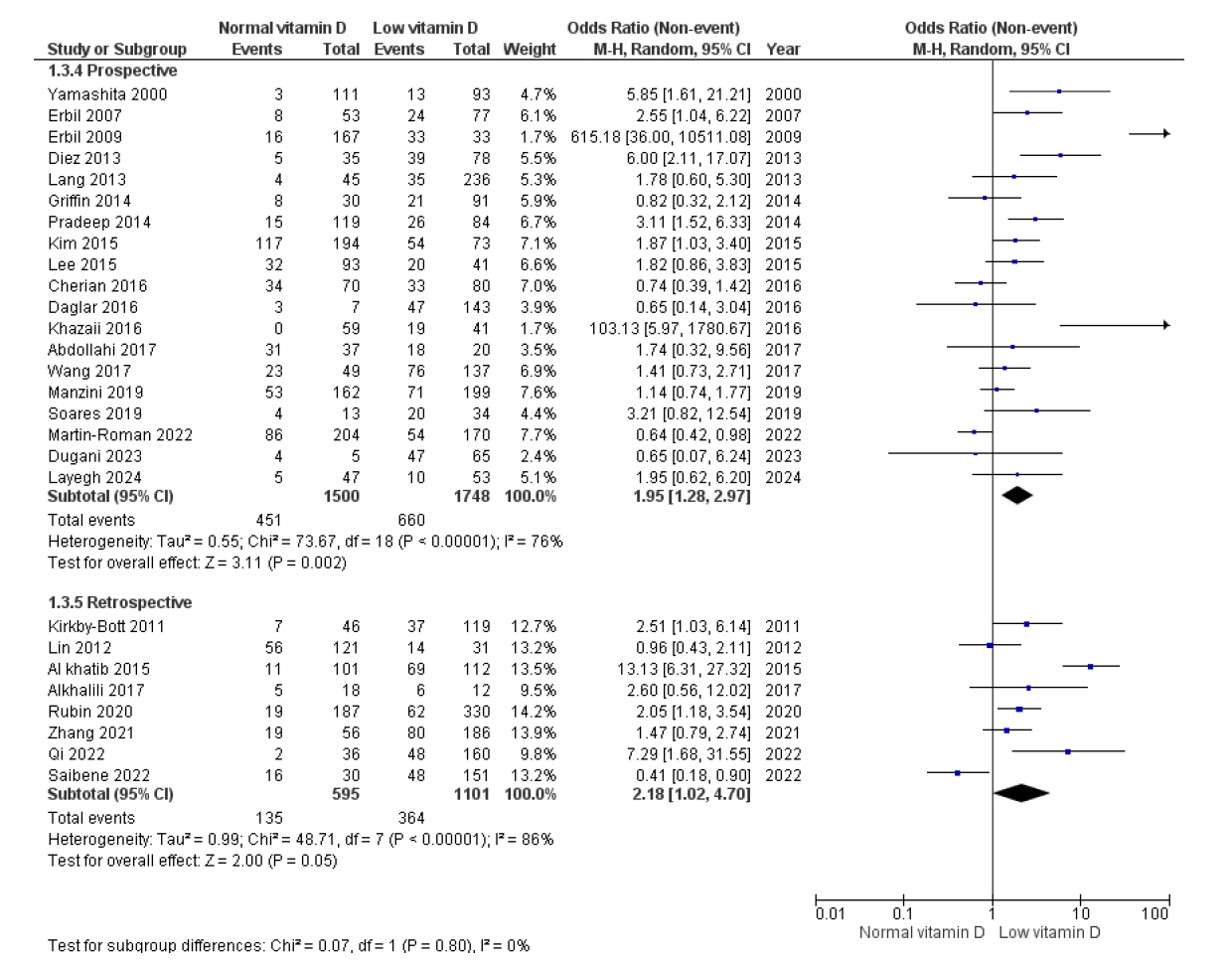
Twenty-eight studies comprising 4994 patients were included. Nineteen studies had a prospective design. Both prospective and retrospective studies showed an association between vitamin D deficiency and hypocalcemia; however, the effect size was lower in prospective studies (OR 1.95; 95% CI 1.28-2.97) compared to retrospective ones (OR 2.18; 95% CI 1.02-4.7). Studies with high risk of bias showed a significant association (OR 2.55; 95% CI 1.4-3.6), while those with low/moderate risk did not (OR 1.71; 95% CI 0.96-3.06).
Conclusion
Study design and methodological quality influence the reported association between vitamin D deficiency and postoperative hypocalcemia. These findings suggest caution when recommending preoperative vitamin D supplementation based solely on observational data.
  • 130 View
  • 2 Download

Reviews

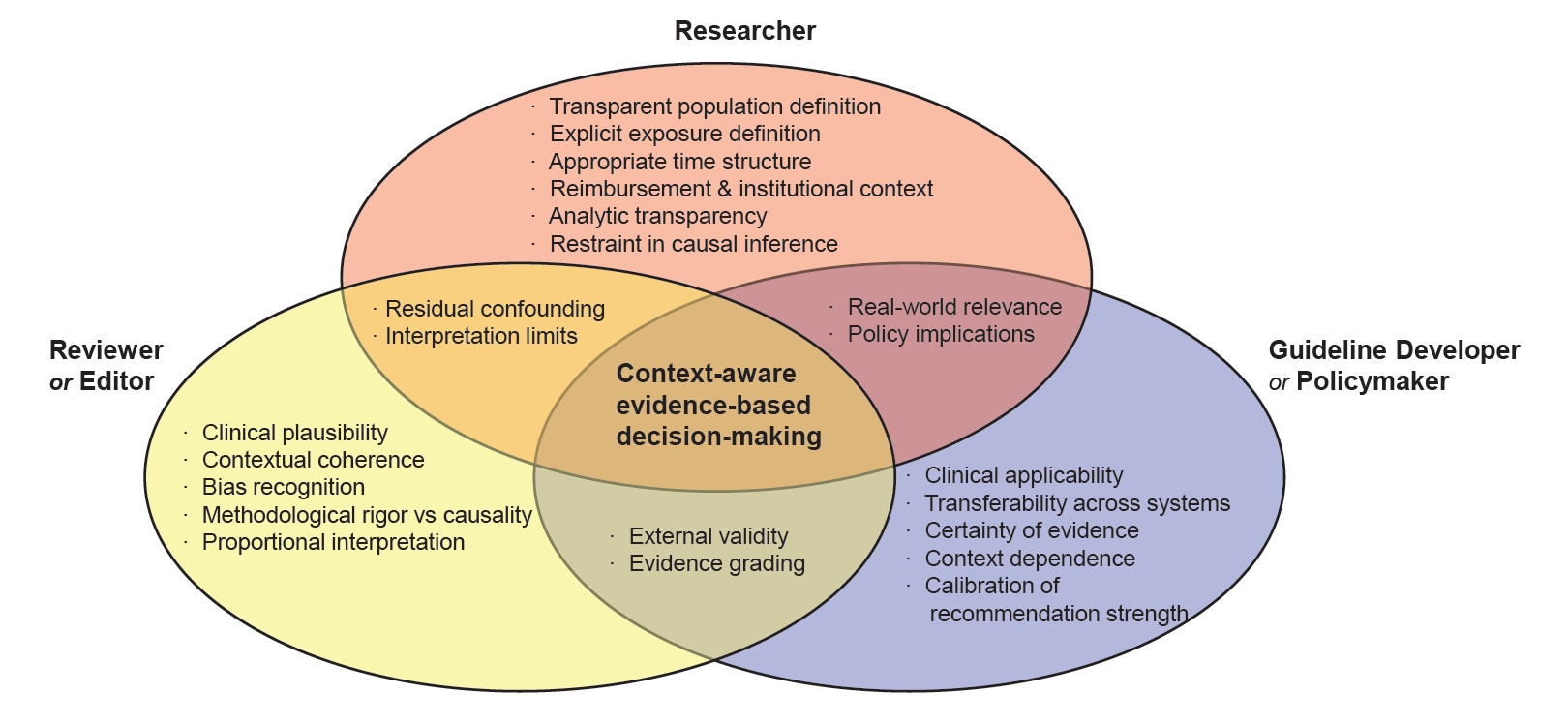
Big data–driven non-randomized studies (NRS) are an increasingly important source of observational evidence in evidence-based medicine, particularly when randomized controlled trials are limited, infeasible, or insufficiently generalizable to routine clinical practice. In Korea, this shift is especially pronounced because a single-payer national health insurance system enables near-complete population coverage, longitudinal follow-up, and linkage of healthcare utilization, prescriptions, and mortality data. These structural advantages, however, also create distinctive interpretative challenges. In big data–based NRS, flexible choices in population definition, exposure classification, index dates, follow-up windows, and outcome specification—together with reimbursement-driven healthcare utilization, frequent policy changes, rapid demographic aging, and evolving standards of care—can render observed associations vulnerable to residual confounding and overinterpretation. Advanced analytic approaches may improve internal validity, but they cannot fully resolve ambiguities related to population specification, temporal structure, or unmeasured contextual factors. This review discusses how to interpret big data–driven NRS using the Korean healthcare system as a representative example. We summarize the strengths that make large-scale observational research indispensable, delineate structural, institutional, and temporal factors that complicate causal inference, and propose practical principles for responsible interpretation. We emphasize the complementary responsibilities of researchers, reviewers and editors, and guideline developers in supporting transparent design, clinically plausible interpretation, and calibrated use of observational evidence in recommendations. A context-aware and proportionate approach is essential to ensure that expanding observational evidence strengthens—rather than distorts—evidence-based clinical and policy decision-making in rapidly evolving healthcare systems with complex institutional incentives.
  • 166 View
  • 0 Download
The use of evidence in decision-making in the context of Korean healthcare: a review
Sang-il Lee
J Evid-Based Pract 2025;1(2):51-61.   Published online September 29, 2025
DOI: https://doi.org/10.63528/jebp.2025.00007
This paper examines some examples of not well integrating evidence into healthcare decision-making within the Republic of Korea, a nation characterized by a rapidly evolving and financially strained healthcare system. The review introduces various conceptual frameworks of evidence-based practice, including Evidence-Based Medicine (EBM), Evidence-Based Public Health (EBPH), and Evidence-Based Health Policy (EBHP), alongside a nuanced typology of scientific (context-free and context-sensitive) and colloquial evidence. Through brief literature reviews, the paper identifies significant barriers and crucial facilitators to effective evidence utilization. These include deficiencies in research infrastructure, accessibility gaps, the influence of political and value-based considerations, and the pervasive challenge of "decision-based evidence making." The report concludes by proposing actionable recommendations aimed at strengthening the evidence ecosystem, fostering deliberative processes, enhancing Health Technology Assessment (HTA) integration, and cultivating a robust culture of evidence-informed policy-making in Korea.
  • 582 View
  • 11 Download
Development of evidence-based medicine and introduction to Korea
Ga-yeon Goo, Byung-joo Park
J Evid-Based Pract 2025;1(2):31-39.   Published online September 29, 2025
DOI: https://doi.org/10.63528/jebp.2025.00005
Evidence-Based Medicine (EBM) demands systematic changes across the healthcare system, essential for enhancing patient safety and quality of medical care. To address the question, "Are we adopting scientific methods to optimize patient safety and enhance treatment efficacy?", assessing the level of EBM implementation is crucial. The adoption rate of evidence-based medical practices varies across countries and medical fields, often being lower in resource-limited settings. In South Korea, there have been several documented cases where the adoption of non-evidence-based practices, such as CARVAR surgical procedures not based on scientific evidence, has led to severe patient safety issues, thereby raising significant concerns about the quality of medical care provided. Conversely, the ABBA Study exemplifies successful application of EBM, demonstrating how scientific research assessed the risk of intracranial hemorrhage in patients with low-dose PPA in OTC cold medicines. This study not only confirmed the associated risks but also influenced health policy, resulting in the withdrawal for PPA-containing OTC cold medicines in Korea. This positive example highlights the imperative for governments, healthcare institutions, and medical schools to expedite the transition to evidence-based, patient-centered healthcare by fostering a robust commitment to systematic reviews and enhanced support for clinical research. The Korean Society of Evidence-Based Medicine (KSEBM) is expected to play a significant role in embedding these core strategies domestically
  • 795 View
  • 29 Download

Original Articles

Development of the clinical practice guideline protocol registration program and its pilot application in Korea
Hyun Jung Kim, You Kyoung Lee, Soo Young Kim, Kyu Chang Wang, Ho Sin Gwak, Yeol Kim
J Evid-Based Pract 2025;1(1):24-29.   Published online March 31, 2025
DOI: https://doi.org/10.63528/jebp.2025.00004
Background
In the case of clinical practice guideline (CPG), the need for the prospective registration of protocols has been proposed several times. However, the registration of CPG protocols is not yet active. The objective of this study was to summarize the experience of the CPG protocol registration program in Korea.
Methods
This study was performed in the following order: 1) formation of a methodological expert group; 2) CPG protocol template development; 3) CPG protocol preparation and expert review; 4) exploration of the knowledge and attitude of the guideline developers toward CPG protocol.
Results
The final version of the CPG protocol templates consists of four parts (planning, development, finalization, and timetable). The protocols for 18 cancers were submitted by 14 medical societies. conflicts of interest (n = 14, 77.8%), guideline development group (GDG; n = 9, 50%), scope of CPG (n = 9, 50%), and key questions (n = 8, 44.4%) were the under-reported areas in the submitted protocols. The GDGs (n = 13, 72.7%) was the most misreported areas of the protocol. CPG developers generally agreed on the advantages of protocol registration but responded that it was difficult to understand the concepts in the protocol and fill them with appropriate content. The areas where CPG developers responded that they felt difficulty were were recommendation grade (n = 9, 75.0%), GDG composition (n = 7, 58.3%), and determining key questions (n = 7, 58.3%).
Conclusions
The CPG protocol registration program was planned and piloted in Korea, and it could be said that it is feasible. It is necessary to evaluate the developed CPG later and determine whether protocol registration affects the quality of CPG through indices such as transparency and clarity of CPG.
  • 1,354 View
  • 20 Download
Familial risk and interaction with hypertension and hyperglycemia in primary open-angle glaucoma
Hyeong Sik Ahn, Heather Swan, Hee-Sang Lee, Sayada Zartasha Kazmi, Kun-Hoo Na, Taeuk Kang, Hyun Jung Kim
J Evid-Based Pract 2025;1(1):12-23.   Published online March 31, 2025
DOI: https://doi.org/10.63528/jebp.2025.00003
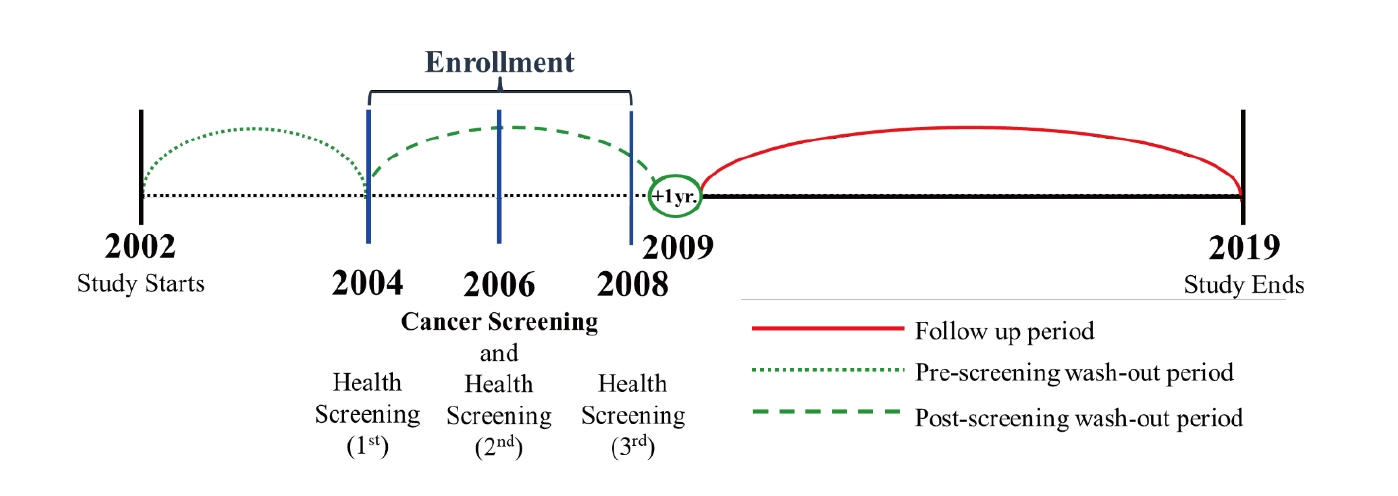
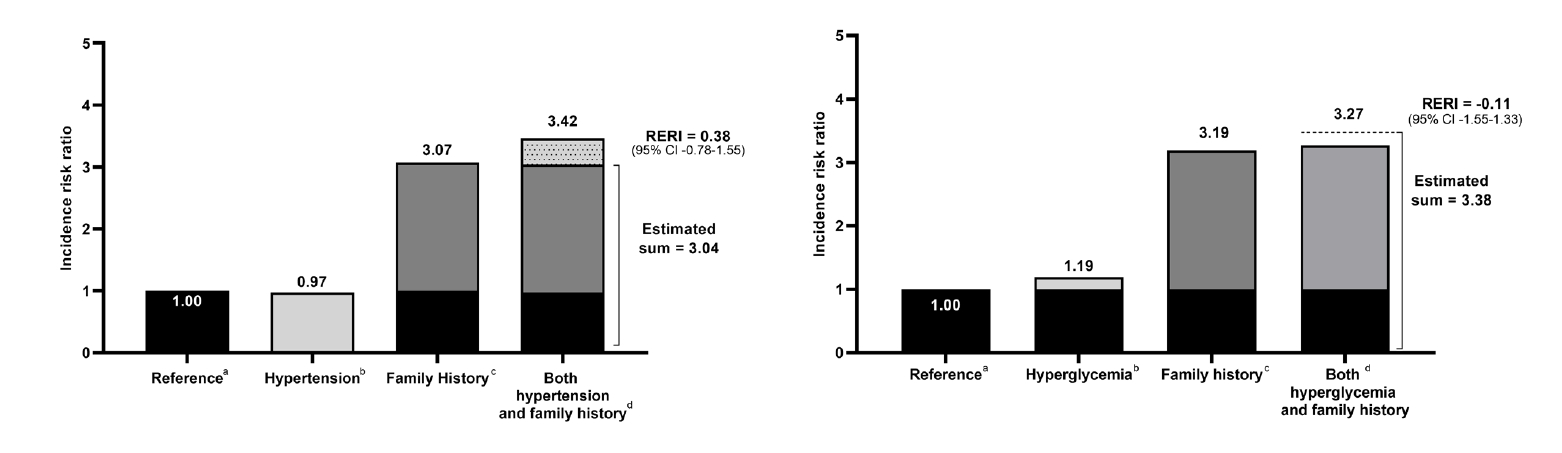
Although there is a genetic component to primary open-angle glaucoma (POAG) susceptibility, few studies have investigated interactions between genetic and environmental factors. We aimed to quantify the familial risk of POAG and estimate disease risk among individuals with a positive family history and either hypertension or hyperglycemia, as well as assess their interactions. Using the National Health Insurance database, which includes information on familial relationships and lifestyle risk factors, we identified 6,217,057 individuals with first-degree relatives (FDRs) from 2002-2018. We calculated familial risk using hazard ratios (HRs) with 95% confidence intervals (CIs) which compare the risk of individuals with and without affected FDRs. Disease risk was estimated among individuals with both a positive family history and hypertension or hyperglycemia, and interactions were assessed on an additive scale. Individuals with an affected parent had a 3.13-fold (95% CI 2.74 –3.58) increased risk of disease compared to those with unaffected parents. Individuals with affected father, mother, or both affected parents showed HRs (95% CI) of 3.50 (2.86 –4.30), 2.87 (2.41 –3.44) and 4.88 (1.83 –12.98), respectively. Familial risk adjusted for lifestyle factors decreased slightly (HR 3.14), suggesting that genetic component is the predominant driver in the familial aggregation. Individuals with a positive family history and either hypertension or hyperglycemia had a markedly elevated risk of disease, with HRs of 3.42 (95% CI 2.49 –4.69) and 3.27 (95% CI 2.15 –4.97), respectively. Hypertensive or hyperglycemic individuals with a positive family history may be considered a high-risk group and glaucoma screening may be considered.
  • 1,647 View
  • 17 Download

Review

Beyond the paywall: the role of preprints in overcoming publication bias
Hyun Kang
J Evid-Based Pract 2025;1(1):7-11.   Published online March 31, 2025
DOI: https://doi.org/10.63528/jebp.2025.00002

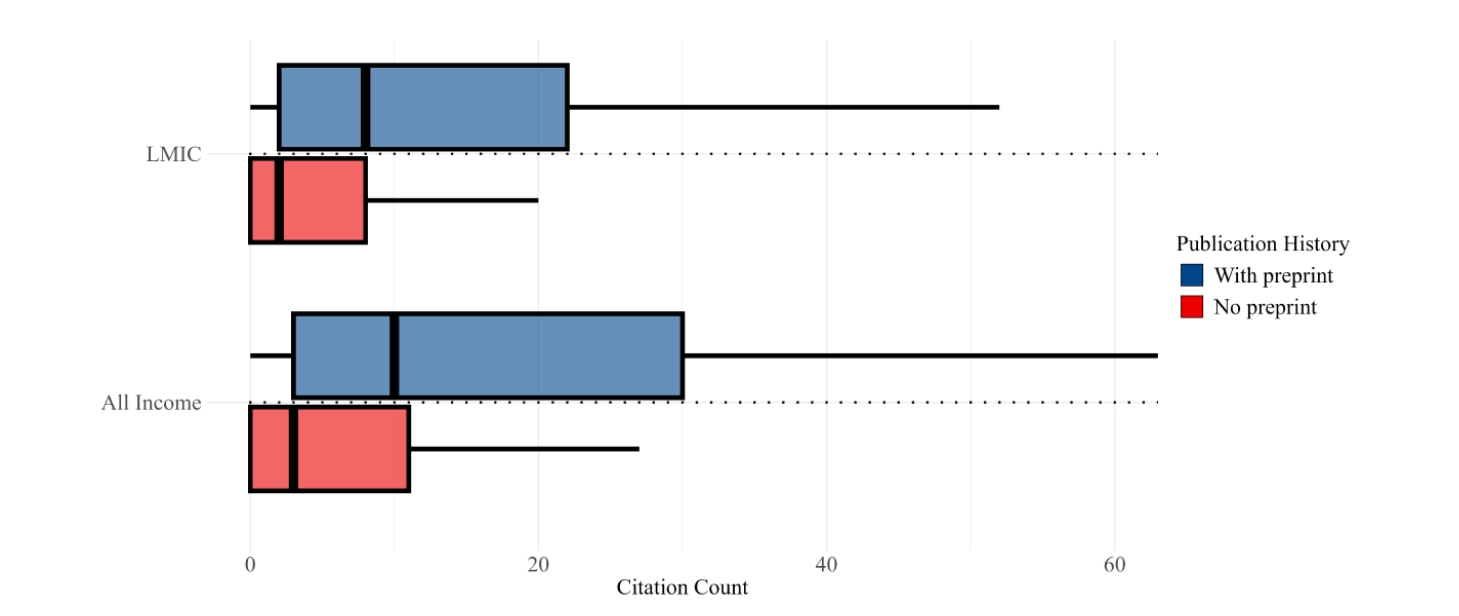
Preprints have become a transformative tool in scientific communication, addressing critical challenges of traditional publishing, including long peer-review timelines, high costs, and systemic publication bias. Publication bias, which disproportionately favors studies with positive or statistically significant results, undermines the comprehensiveness and accuracy of the scientific record. By offering an open platform for sharing all research findings, preprints ensure that studies with null or negative results are also represented, mitigating the selective publication that skews research fields and meta-analyses. The COVID-19 pandemic highlighted the importance of preprints, as they facilitated the rapid dissemination of urgent findings while maintaining accessibility. Unlike traditional journals, preprints bypass lengthy review processes, enabling immediate access to data and fostering timely feedback, collaboration, and application. This inclusivity and transparency enhance trust in the research process while democratizing access to scientific knowledge. Despite their advantages, preprints face challenges, such as inconsistent quality standards, discrepancies between preprints and final publications, and risks associated with unverified findings. These challenges can complicate their use in systematic reviews and evidence-based medicine, requiring careful consideration and handling.This paper explores the interplay between preprints and publication bias, detailing how preprints can reduce bias while identifying limitations that must be addressed.

  • 1,116 View
  • 13 Download
TOP